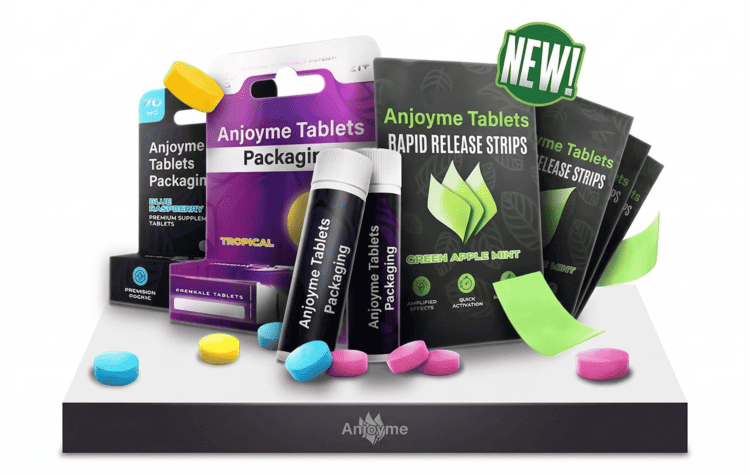
Chewable Tablet Hang Tab Boxes: Retail Advantages, Market Growth, and What US Brands Need to Know
A format-by-format breakdown of why custom hang tab display boxes are outperforming standard cartons in US retail — and how to spec the right packaging solution for your SKU.
US retail brands selling compact chewable consumable products face a structural problem at the point of purchase: limited display space, high SKU density, and a consumer who makes a buying decision in under three seconds. Standard folding cartons sit flat on a shelf, competing for horizontal real estate with dozens of adjacent products. In a convenience store, smoke shop, or specialty wellness outlet — where pegboard hooks and wire racks dominate the display floor — that shelf simply does not exist.
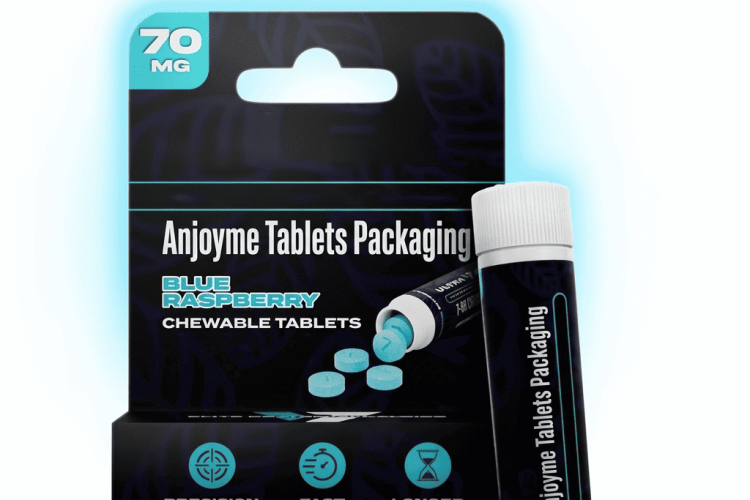
The custom chewable tablet hang tab box solves that problem by design. It transforms vertical wall space into premium brand real estate, puts your product at eye level on a peg hook, and integrates seamlessly with child-resistant tube packaging — all in a format that ships flat and assembles in seconds. This guide explains exactly why that matters for your brand, where the US market is expanding, and what to evaluate before placing a custom order.
Chewable tablet hang tab boxes combine pegboard retail display with a large custom-printed branding surface and native child-resistant tube compatibility. In convenience stores, smoke shops, and specialty retail — the fastest-growing US distribution channels for compact consumable products — hang tab packaging consistently outperforms flat-shelf formats on impulse purchase conversion. Low MOQs (as low as 500 units) and fast turnaround from established US-facing suppliers make this format viable for both emerging brands and established SKU lines.
Hang Tab Box vs. Other Packaging Formats: A Direct Comparison
Before diving into the specific advantages of the hang tab format, it helps to see how it stacks up against the three most common alternative packaging structures for chewable tablet products.
| Feature | Hang Tab Box | Standard Folding Carton | Blister Card Pack | Stand-Up Pouch |
|---|---|---|---|---|
| Retail display method | Pegboard / peg hook | Flat shelf | Pegboard / peg hook | Shelf or hook |
| CR tube compatibility | ✓ Native fit | ✓ Possible | ✕ Limited | ✕ No |
| Brand printing surface | Large: front, back, full header | Medium: all 6 sides | Medium: card face only | Medium: front + back |
| Product visibility (window option) | ✓ Optional die-cut window | ✕ Closed | ✓ Blister visible | ✕ Closed |
| Impulse purchase conversion | High | Medium | High | Low |
| Best retail channel fit | C-store, smoke shop, specialty | Drug, grocery | Drug, grocery, pharmacy | Grocery, online DTC |
| Typical MOQ (custom print) | 500–1,000 units | 500–5,000 units | 1,000–5,000 units | 500–2,500 units |
| Flat-pack / freight efficiency | ✓ Excellent | ✓ Excellent | ✕ Pre-formed | ✓ Good |
The data above reflects general industry benchmarks. Specific MOQs and lead times vary by supplier and print specification. For a precise quote tailored to your SKU, reach out to our packaging team directly.
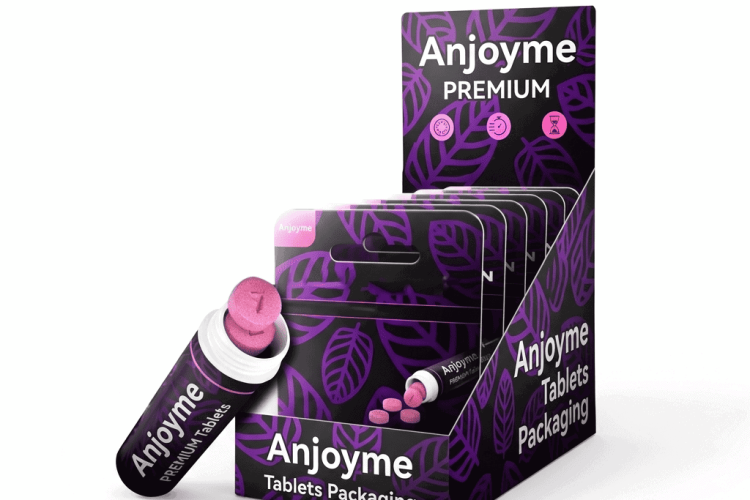
Anatomy of a Chewable Tablet Hang Tab Box: What's Inside the Format
A hang tab box for chewable tablets is not a single component — it's a coordinated packaging system. Understanding each part helps procurement managers make better decisions at the spec stage, well before tooling or artwork is committed.
The Header Card (Hang Panel)
The topmost panel of the box extends above the product body and features a stamped euro hole (also called a hang hole) — a reinforced die-cut opening sized for standard 4mm or 6mm retail peg hooks. This header is prime branding real estate: brand name, logo, and a headline claim typically appear here in large-format print, visible from across the aisle. A reinforced header card backed with chipboard or laminated SBS board prevents the hang hole from tearing under product weight during long retail display cycles.
The Box Body / Sleeve
The main body of the box wraps the inner tube on three or four sides, depending on whether a window cut is incorporated. The custom hang tab box sleeve provides the largest contiguous print surface in the entire assembly — front and back panels typically measure 40mm × 120mm or larger, depending on tube diameter and count. This is where flavor callouts, dosage information, benefit icons, regulatory warnings, and UPC barcodes are printed in full color.
The Optional Die-Cut Window
A front-panel window — typically cut into a rectangular or shaped aperture and backed with clear PET film — exposes a portion of the inner tube or product directly to the consumer. Window configurations are especially effective for specialty retail environments, where tactile and visual transparency increases perceived product value and purchase confidence. Not every SKU requires a window; for heavily branded tubes, a fully printed closed sleeve often performs equally well.
The Inner Child-Resistant Tube
The functional core of the system is the child-resistant tube, which houses the chewable tablets themselves. These cylindrical containers are typically manufactured from PET (clear or frosted) or HDPE (opaque), with an outer diameter ranging from 38mm to 55mm and a length of 90mm to 135mm — depending on tablet count and fill weight. The cap is a push-down-and-turn CR closure, meeting the requirements of 16 CFR § 1700.20 for special packaging. The box sleeve is dimensioned to fit the specific tube spec with minimal movement — protecting the CR mechanism during retail handling.
- Header card: Reinforced euro-hole hang panel, full-bleed custom print
- Box sleeve / body: 350–400gsm SBS or duplex coated board, offset or digital print
- Window insert (optional): Clear PET film, die-cut aperture in multiple shapes
- Inner CR tube: PET or HDPE cylinder, push-down-and-turn CR cap
- Structural dieline: Custom-engineered per tube OD + fill height + label wrap
- Sealing options: Tuck-bottom, auto-bottom lock, tamper-evident sticker band
Critically, the structural dieline and packaging engineering should be developed before artwork is finalized. Changes to tube diameter, tablet count, or cap type downstream of artwork approval are expensive to correct. Established suppliers provide CAD dielines as part of the sampling process — confirm this before committing to a supplier relationship.
5 Structural and Retail Advantages That Drive the Format's Growth
The hang tab box has gained significant traction in US specialty and convenience retail not because of any single feature, but because of how multiple structural benefits compound at the point of sale. Here are the five that matter most for brands evaluating this format.
Pegboard-First Retail Positioning: Turning Dead Wall Space Into Revenue
In convenience stores and specialty retail environments, the pegboard wall is the single highest-traffic display surface in the store. Products that hang on peg hooks are seen by nearly every shopper who enters the aisle — products that sit on a shelf compete only with nearby eye-level neighbors. The hang tab box is engineered for this environment from the ground up. Its header panel provides a visually dominant display face at exactly the height where brand hierarchy is established, and the euro hole positions the SKU precisely on standard 3/16" or 1/4" retail peg hooks without the need for additional fixtures or J-hooks.
Native Child-Resistant Tube Integration: Compliance Built Into the Structure
Unlike blister packs or pouches — where CR compliance requires a separate packaging layer or mechanism — the hang tab box is dimensioned to hold a CR tube as its primary inner component. This means the CR closure is inherent to the product itself, not an afterthought applied to the outer box. For brands operating in markets where state-level compliance requirements mandate child-resistant primary packaging, this structural integration simplifies the compliance documentation path significantly. The system can be validated against 16 CFR § 1700.20 as a complete unit rather than requiring separate certification for each component.
Maximum Printable Brand Surface: A Billboard That Travels With the Product
The combined print surface of a standard hang tab box — front body panel, back body panel, header card, and side gussets — typically exceeds 180 cm² of flat print area, more than a standard blister card and comparable to a retail folding carton. Critically, the header card is visible above competing products when the peg hook is loaded, acting as a secondary billboard even when the body of the box is obscured by adjacent SKUs. Brands that invest in premium finishes (spot UV on the logo, foil stamp on key claims, matte lamination on the body with a gloss window) consistently report higher perceived value scores in retail environment testing.
Tamper-Evident Configuration: Consumer Trust at the Shelf
Hang tab boxes can be configured with a tamper-evident sticker band across the bottom tuck closure, a perforated tear strip across the front panel seam, or a security seal label bridging the box-to-tube interface. These elements signal product integrity to the consumer — a factor that has become increasingly important in specialty retail as category awareness of product adulteration concerns has grown. A visible, intact seal communicates that the product has not been opened or interfered with since leaving the manufacturing facility. For brands positioning on quality and safety, this is a low-cost addition with a measurable effect on shelf-level purchase confidence.
Efficient Logistics Profile: Flat-Pack Shipping, Fast Store Assembly
Unlike pre-formed blister packs or rigid plastic containers, hang tab boxes are shipped flat and assembled at the fulfillment stage. This dramatically reduces per-unit freight cost on inbound shipments from the manufacturer, and means warehousing footprint is a fraction of equivalent pre-assembled unit counts. At the store level, assembly requires no tools — the auto-bottom or tuck-bottom construction locks into shape in under five seconds. For brands managing multi-SKU retail programs across regional distributors, this logistical simplicity meaningfully reduces operational overhead.
✓ Format Strengths
- Purpose-built for pegboard retail display
- Integrates with CR tube without additional components
- Large printable surface for premium brand execution
- Flat-pack for freight and warehousing efficiency
- Tamper-evident configurations available
- Low MOQs accessible for emerging brands
⚠ Considerations
- Not the optimal format for grocery shelf planograms
- Structural dieline requires engineering lead time
- Premium finishes (foil, spot UV) add per-unit cost
- Window cut increases structural complexity slightly
- Tube spec must be finalized before box dieline is drawn
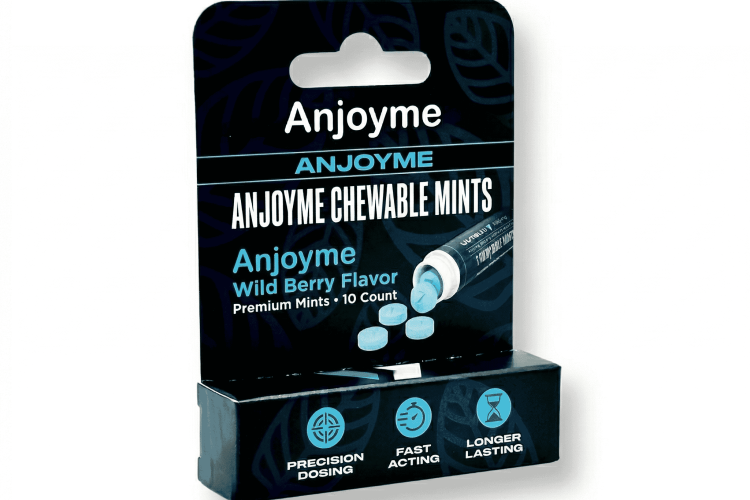
Printing Processes, Substrates, and Finish Options: Building a High-Impact Package
The structural format of a hang tab box is only half the equation. The printing process, substrate weight, and surface finish collectively determine how your brand is perceived at retail — and whether a consumer picks up the box or walks past it. Here is a practical breakdown of the options available from a full-service custom packaging printing supplier.
Substrate (Board) Options
The box body and header are most commonly produced from one of three paperboard grades. 350gsm SBS (solid bleached sulfate) coated board offers the highest print fidelity and the cleanest white base for CMYK reproduction — the standard choice for premium consumer-facing packaging. 400gsm duplex coated board provides additional structural rigidity for heavier tube weights (5+ count tablet fills) or extended retail display cycles where the hang hole bears significant load over time. Kraft-faced coated board is increasingly specified by brands positioning on natural or artisanal aesthetics, though it limits the achievable white-point brightness for light-color print elements.
Inner Tube Material
The CR tube inside the box is produced from either PET (polyethylene terephthalate) — which is available in clear, frosted, or tinted colorways and supports label wrap or direct print — or HDPE (high-density polyethylene), which is opaque, more impact-resistant, and the preferred substrate for heavy-use retail environments. Both materials are compatible with push-down-and-turn CR closures in PP (polypropylene).
Printing Processes
Offset lithography delivers the highest color accuracy and the lowest per-unit print cost at production volumes of 1,000 units and above. It is the standard process for established SKU lines with stable artwork. Digital printing enables short-run production (as low as 500 units), variable data (unique QR codes, batch numbers, flavor variants), and fast artwork turnaround — ideal for seasonal launches, sampling programs, or new market tests. Flexographic printing is cost-effective for simplified designs with spot color requirements rather than full photographic CMYK reproduction.
- Matte lamination: Soft, non-reflective surface — premium aesthetic, fingerprint-resistant, preferred for dark-background designs
- Gloss lamination: High-shine surface — maximizes color saturation, cost-effective, strong visual pop at retail
- Soft-touch lamination: Velvet-feel matte — highest perceived tactile quality, used on premium SKUs
- Spot UV coating: Gloss varnish applied to selected elements (logo, product name) over a matte base — high contrast, eye-catching at shelf
- Foil stamping: Metallic foil (gold, silver, rose gold, holographic) heat-transferred to specific areas — communicates premium positioning; effective on header panel
- Holographic lamination: Full-surface or panel-specific iridescent film — strong shelf differentiation, particularly effective under retail lighting
- Embossing / debossing: Raised or recessed texture on logo or graphic elements — adds dimensional tactile element, combined with foil for maximum impact
The most effective premium hang tab executions we see in US specialty retail typically combine matte lamination on the body panels with spot UV on the logo and key claims, and a foil stamp on the header panel. This three-layer finish strategy creates measurable contrast between the brand elements and the background — without adding excessive cost on top of the base print job.
For brands that want a comprehensive overview of how finish combinations interact with dark-background designs (which are common in this product category), our team at BrandPackagings.com provides pre-production finish samples on request.
Market Growth and US Retail Channel Analysis: Where Demand Is Expanding
The demand for compact, precision-format chewable consumable products — and by extension, the packaging systems that support them — has grown substantially across US specialty retail over the past four years. Several converging trends are driving this growth, and understanding them helps procurement managers anticipate where packaging investment will generate the highest return.
Key Market Growth Drivers
Precision-dosage format preference. Consumers across multiple functional consumable categories are increasingly moving away from loose powders, bulk capsules, and liquid formats in favor of pre-measured, single-serve tablet formats. The tactile simplicity of a count-controlled tube — open, take, reseal — aligns with modern consumer habits around convenience and on-the-go use. This preference shift is consistent across age demographics in specialty retail research data.
SKU proliferation in specialty and convenience channels. Flavor variants, potency tiers, and formula differentiation have multiplied the average SKU count per brand in the functional consumable category. Each SKU variant requires a distinct, clearly differentiated packaging execution — which is driving demand for short-run custom print capabilities and flexible dieline systems that can accommodate multiple tube specs under a unified brand architecture.
Impulse purchase optimization. Hang tab display at eye level on pegboard — particularly in the checkout adjacency zones common in c-stores — is a structurally proven impulse conversion environment. Brands that replatform from shelf-only distribution to pegboard-dominant channels consistently report a lift in single-unit purchase rates, driven largely by packaging visibility at the point of decision.
Compliance-driven packaging investment. Increasing regulatory attention to child-resistant requirements, label accuracy, and tamper-evident configuration across state markets is compelling brands to invest in purpose-built, compliance-documented packaging systems rather than relying on generic stock solutions. This creates a structural demand tailwind for suppliers offering CR-certified, state-compliant tablet packaging solutions with full compliance documentation.
US Retail Channel Breakdown
| Retail Channel | Display Format | Key Packaging Priority | Growth Trajectory |
|---|---|---|---|
| Convenience stores / gas stations | Pegboard, counter displays | Impulse appeal, compact footprint, shelf durability | ▲ Strong |
| Specialty retail (smoke shops, novelty) | Pegboard dominant, slatwall | Brand differentiation, premium print, SKU range | ▲ Very strong |
| Health & wellness boutiques | Shelf + counter display | Premium material feel, clean label design, eco-options | ▲ Growing |
| Online / DTC (secondary) | N/A — shipping box | Unboxing experience, photography appeal, damage resistance | ▲ Stable |
| Regional distributors / co-packers | Wholesale pallet | Flat-pack efficiency, consistent spec, CR documentation | ▲ Growing |
For brands entering the convenience and specialty retail channel from an online-first position, the hang tab box format represents the most direct structural transition — minimal product reformulation, maximum retail display impact. Brands already established in specialty retail are increasingly using multi-SKU hang tab programs with unified brand architecture across flavor and potency variants to own more contiguous peg hook real estate within a given retail location.
4-Step Framework for Ordering Custom Chewable Tablet Hang Tab Boxes
Procurement managers who have worked through a custom packaging project before know that the majority of delays and cost overruns trace back to incomplete specs at project initiation. The following four-step framework is designed to eliminate the most common friction points between an initial inquiry and a production-ready package.
Define Your Structural Specification First
Before artwork, before material selection, before anything else — lock your tube spec. You need: tube outer diameter (OD) in millimeters, tube height (including cap), tablet count per tube, fill weight (grams), and any specific CR cap type your compliance officer has pre-approved. Every downstream decision — box dieline dimensions, board weight, label wrap geometry — derives from this spec. Changing the tube OD after the box dieline has been drawn requires a full re-engineering cycle.
Choose Your Substrate, Finish, and Print Process
With your structural spec confirmed, select your board weight (350gsm SBS for standard; 400gsm for heavy tubes), your print process (offset for 1,000+ units; digital for short-run or variable-data SKUs), and your surface finish combination. If your brand design features a dark background with metallic elements — a common configuration in this category — specify matte lamination base + spot UV on the logo + foil stamp on the header panel. Request physical finish samples before committing. Color rendering on a dark substrate is significantly different from what you see on a monitor.
Review the Structural Dieline and Digital Color Proof
A qualified supplier will provide a CAD dieline in AI or PDF format before production begins. Review this carefully against your tube dimensions — confirm the sleeve fit, the hang hole position and reinforcement, and the bottom closure configuration. Separately, a digital color proof (or physical press proof for premium runs) confirms print color against your brand standards under retail lighting conditions. Do not approve artwork without a physical proof if your design includes metallic finishes, spot UV, or dark-background CMYK registration. These elements are difficult to evaluate accurately on screen.
Confirm Compliance Documentation and Production Timeline
For CR-certified tube packaging, request the supplier's test certificate for the specific closure type you are using — issued under ASTM D3475 or 16 CFR § 1700.20, as applicable. Confirm whether the certificate covers the complete tube-plus-cap assembly or only the cap in isolation. Separately, establish a clear production timeline that includes: dieline engineering, artwork approval, press proof, production run, QC inspection, and freight to your fulfillment address. A realistic standard lead time for a new custom hang tab box program is 18–25 business days from artwork approval to FOB shipment — longer for first-run programs requiring tooling.
Which Format Is Right for Your Brand?
Use this decision guide to evaluate the hang tab box against alternative formats for your specific distribution channel and SKU profile.
✓ Choose Hang Tab Box If...
- Your primary retail channel is c-stores, smoke shops, or specialty wellness outlets
- Your display environment is pegboard- or slatwall-dominant
- Your inner product uses a CR tube as primary packaging
- You need maximum brand print surface at retail
- You are managing multiple SKU variants under one brand architecture
- You value flat-pack freight efficiency on inbound shipments
→ Consider Alternatives If...
- Your primary channel is grocery or drug (flat-shelf planogram dominant)
- Your inner product is a pouch, sachet, or blister — not a tube
- You require a fully pre-assembled unit at the manufacturing stage
- Your retail velocity demands EDI-integrated case-pack configurations incompatible with flat-pack
- Your compliance mandate specifies blister-based CR packaging specifically
Frequently Asked Questions: Custom Chewable Tablet Hang Tab Boxes
What is the minimum order quantity (MOQ) for custom-printed hang tab boxes?
MOQs vary by print process and substrate. For digital print, many suppliers — including Anjoyme Packaging — offer MOQs as low as 500 units, making the format accessible for new SKU launches, flavor tests, and regional market pilots. For offset lithography (the most cost-efficient process at higher volumes), standard MOQs begin at 1,000 to 2,000 units. If you are ordering a coordinated program with multiple SKU variants sharing a common structure but different artwork, a combined MOQ across all variants may apply — confirm this structure with your supplier during the initial inquiry. You can request a custom MOQ quote here based on your specific tube spec and print requirements.
Can the same box structure accommodate different tube sizes (for multiple SKUs)?
A single box dieline is engineered around one specific tube OD and height. If your SKU line includes tubes of different diameters or lengths (for example, a 5-count and a 10-count tube), you will need separate dielines — and typically separate cutting dies — for each structural variant. However, the print artwork layout can be unified across a brand family with minimal adjustment, which means you can maintain consistent visual brand architecture across a multi-SKU program while using structurally different boxes. Many brands manage a two-to-three dieline system across their full catalog. Discuss multi-SKU tooling amortization options with your supplier to understand the total investment.
What CR compliance standards apply to the tube-and-cap assembly?
In the US market, child-resistant packaging for applicable consumer products is governed by the Poison Prevention Packaging Act (PPPA), implemented through 16 CFR § 1700.20 (CPSC), with test methodology defined by ASTM D3475. A compliant CR closure must pass both a child panel (age 42–52 months) resistance test and a senior adult (age 50–70) access test. The relevant certification document — issued by an accredited third-party testing laboratory — should cover the specific combination of tube body, closure, and cap you are using, not just the cap in isolation. Request this test report from your packaging supplier before finalizing the assembly. Some state-regulated markets may impose additional or more stringent requirements above the federal baseline.
What is the standard production lead time for a new custom program?
For a first-run custom program (new structural dieline + new artwork), a realistic timeline from confirmed artwork approval to FOB shipment is 18–25 business days for standard offset production, or 10–15 business days for digital short-run programs. This timeline assumes no revision cycles on the dieline or artwork proof — delays at the approval stage directly push the production schedule. For brands with time-sensitive retail launches, we strongly recommend initiating the structural engineering phase (tube spec confirmation + dieline development) before artwork is finalized, so both workstreams can run in parallel. Rush production is available from some suppliers at a premium — confirm availability during your initial inquiry.
Can I receive a physical sample before placing a full production order?
Yes — and for any new custom program, a physical sample review is strongly recommended before production approval. Most suppliers offer two sample stages: a structural sample (white or plain board, no print) that confirms the dieline geometry against your actual tube, and a print proof (digital or press, depending on process) that confirms color rendering and finish appearance. Sample lead times are typically 5–7 business days for structural samples and 7–10 days for print proofs. Sample costs are generally credited toward the production order. Contact our team to initiate a sample request for your specific tube spec and artwork requirements.
What print-ready artwork file formats do you accept?
Standard accepted formats for print-ready artwork include Adobe Illustrator (.ai) and PDF/X-1a or PDF/X-4 with all fonts outlined, images embedded or linked at 300 DPI minimum, bleed set to 3mm (0.125"), and all spot colors (Pantone) or process colors (CMYK) correctly specified. RGB files are not accepted for offset production. If your design was developed in Photoshop, Figma, or another non-vector application, work with your graphic designer to convert to a vector-based Illustrator file on the supplier's dieline template before submission. We provide a downloadable AI dieline template for each structural configuration upon order confirmation.
Do you offer US-based account support and compliance documentation assistance?
Yes. Anjoyme Packaging's US-facing team at BrandPackagings.com provides English-language account management, pre-production consultation, and documentation support — including CR test reports, COA (Certificate of Analysis) for board materials, and state-compliance packaging checklists where applicable. We work with brands across multiple US state markets and can advise on how packaging spec and label placement interact with state-specific regulatory requirements. All compliance documentation is provided in standard US regulatory formats compatible with distributor and retailer compliance review processes.
Ready to Spec Your Custom Chewable Tablet Hang Tab Box?
Share your tube dimensions and retail channel requirements with our packaging team. We'll provide a structural recommendation, finish options, and a production quote — typically within 1 business day.
Request a Free Quote →